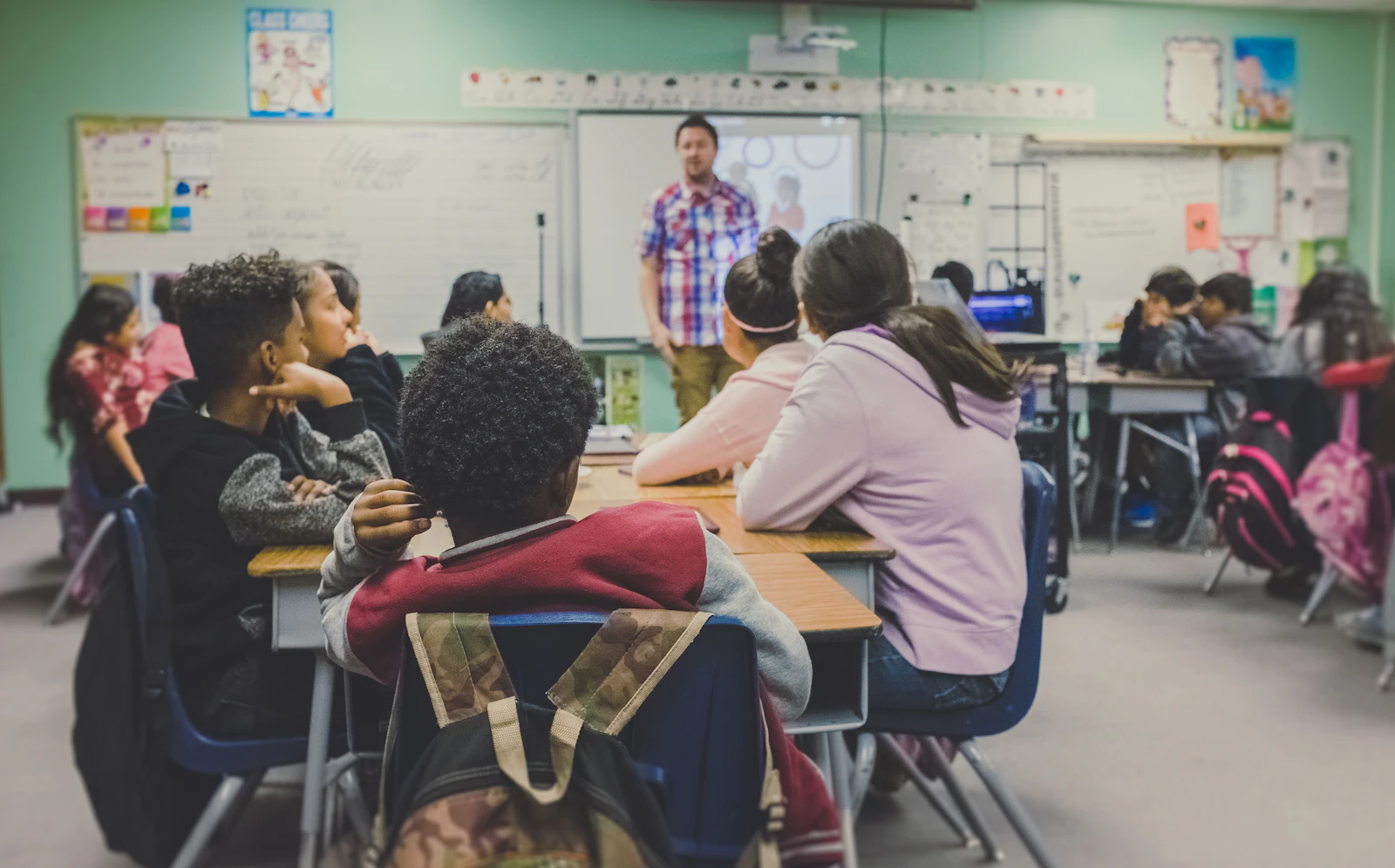
Why Asking Doubts in Class Feels Harder Than Exams (The Problem Isnt Syllabus, Its Silence)
Most students will tell you exams are scary.
But ask them what feels harder and many will say this quietly:
Raising my hand in class.
Not the exam hall. Not the question paper. The classroom.
There are students who can sit for three hours solving difficult questions but cant say one sentence out loud:
I didnt understand.
This isnt laziness. This isnt lack of interest. And it definitely isnt lack of intelligence.
The problem isnt the syllabus. The problem is silence.
The Silence That Starts Early
Silence doesnt begin in Class 11 or 12. It starts much earlier.
A student asks a doubt. The class laughs. Or the teacher says:
- This is basic.
- We already did this.
- Pay attention.
Nothing dramatic happens. But something inside the student shuts down.
From that day, the student learns an unspoken rule:
Dont ask. Just manage.
Why Students Stay Quiet Even When Theyre Confused
Most students have doubts every single day. They just dont say them out loud.
Because asking a doubt feels like:
- Admitting weakness
- Slowing everyone down
- Standing out in the worst way
When everyone else is silent, silence feels like the safest option.
So students nod. Copy notes. Tell themselves theyll understand later.
Later rarely comes.
Why Exams Feel Easier Than Classrooms
In an exam:
- No one watches you struggle
- No one judges your thinking
- Confusion is private
In a classroom:
- Confusion is public
- Confidence feels risky
- One question feels like exposure
So students would rather face a hard paper than a room full of eyes.
The Invisible Gap No One Talks About
Teachers finish chapters. Syllabus moves forward. Everything looks fine.
But inside many students minds:
- One missed concept becomes five
- Doubts pile up silently
- Learning turns into memorization
This is where fear of subjects begins. Not because theyre hard but because understanding never fully formed.
Some students try to fix this by attending more tuition. Others search for explanations late at night. A few quietly turn to tools that let them ask questions privately, without judgement just to understand what they missed.
The Cost of Staying Silent
Silence doesnt show on report cards immediately.
It shows later as:
- Im bad at math.
- Science isnt for me.
- I just cant understand.
But the truth is simpler and sadder:
They were never given space to not understand.
What Students Actually Need
Students dont need more pressure.
They dont need louder teachers. They dont need to be told to focus more.
They need:
- Safety to be confused
- Time to revisit concepts
- A way to ask doubts without fear of being judged
This is why many students learn better when they can pause, revisit, and question freely whether thats with a book, a quiet explanation, or an AI learning companion like EaseLearn that doesnt rush them or embarrass them.
Learning improves when fear leaves.
When fear is removed:
- Curiosity returns
- Questions become natural
- Confidence grows quietly
Silence isnt a lack of ability.
Its often a response to how learning environments feel.
And breaking that silence gently, without judgement is where real understanding begins.
EaseLearn AI has been featured in 280+ publications including:


